Your father's guns are insured for $2,500

One number covers every gun in the house, if stolen.
Subject of file
Firearms under Coverage C: the $2,500 theft ceiling, what it counts, and the list a claim will ask for
| |||||||||||||||
|
| |||||||||||||||
|
Good morning. Section I of the standard homeowners form, special limits under Coverage C, item f: “$2,500 for loss by theft of firearms and related equipment.” That is the entire sentence. It says nothing about how many guns, how old they are, or who owned them first. If there are no guns in your house, the yellow box near the end still has your name on it. | |||||||||||||||
| |||||||||||||||
|
The limit is a ceiling for the whole category in one loss. New York’s Department of Financial Services describes these special limits as the total a company will typically pay for a loss in that category. Three stolen rifles worth $1,500 each come to $4,500, and the check stops at $2,500. The limit also does not sit on top of your personal property coverage. The form says special limits do not increase Coverage C, so whatever is paid for the guns comes out of the same pot as the television and the silverware. The form does not define “related equipment.” In the theft files I closed, scopes, cases and cleaning kits went into the same $2,500 as the guns, and nobody argued, because the owner rarely had receipts for any of it. Then there is how the loss gets valued. On the standard form, personal property is settled at actual cash value unless your declarations page shows a replacement cost endorsement. For a deer rifle bought in 1994, that is usually a smaller number than the owner has in mind. For an older piece that has gained value, the question becomes proof, and proof is paper. | |||||||||||||||
| |||||||||||||||
|
Most of the gun theft claims I handled did not come from active hunters. They came from people who had stopped hunting decades ago and kept the rifle out of habit, and from widows and sons holding a late husband’s or father’s guns in a closet. In most of those houses there was no list. The serial numbers existed on the guns themselves, which were gone, and on a purchase record that had been thrown out with the rest of the man’s desk. | |||||||||||||||
| |||||||||||||||
|
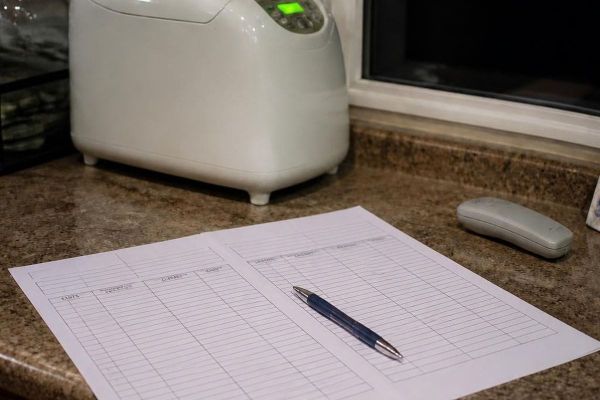
An insurer will want a police report on any theft claim. In New York, the owner has 24 hours from discovering a gun theft to report it to police or the sheriff, under Penal Law § 400.10. Rules differ by state, and many set no deadline for private owners. The New York notice lists these fields for each gun. They are the same fields the adjuster will ask for. | |||||||||||||||
| |||||||||||||||
|
In 1985 I spent a year typing claim forms for an agency downtown, and the serial number box was the one most often left blank. In my own files decades later, it still was. When an owner handed me that list, the file moved in days. Without it, the first week went to rebuilding it from memory and old photographs. | |||||||||||||||
| |||||||||||||||
|
The standard program has two routes. An endorsement numbered HO 04 65 raises the firearms theft limit by a dollar amount you pick, and it still covers theft only. The other route is listing each gun on a scheduled personal property endorsement or a separate floater, usually at an appraised value. Prices vary by company and state, and I am not going to guess at them. An agent can quote both in the same call. | |||||||||||||||
| |||||||||||||||
| |||||||||||||||
| |||||||||||||||
|
I do not own a gun. My brother kept our father’s deer rifle when we emptied the house, and I have no idea whether it appears on his policy or anywhere at all. I have not asked him. The dresser is still on his landing, and I am choosing which conversation to have first. I read the New York statute this morning with the radio on, which is how I read everything, and I had to go through it twice. | |||||||||||||||
| |||||||||||||||
| |||||||||||||||
| |||||||||||||||
| |||||||||||||||
|
Tomorrow | |||||||||||||||
|
Read the policy before you need it. — Rita | |||||||||||||||
|
I am a licensed independent adjuster, not an agent, lawyer or financial adviser, and nothing here is advice on a specific claim. Limits quoted are from the standard form; your company’s form may differ, and rules differ by state.
|