
I left my IRA to nobody

With no name on the form, my daughter gets five years instead of ten.
|
THE WALKTHROUGH
| ||||||||||
|
No. 027 / Tuesday, October 6, 2026
| ||||||||||
|
| ||||||||||
|
SUBJECT OF FILE
Beneficiary forms on retirement accounts and life policies: which paper decides who is paid, what a divorce cancels in some states, and what a rollover leaves blank
| ||||||||||
|
Sponsored by Cedar Gold Group
| ||||||||||
|
Dear Reader, Last year the world's biggest banks spent nearly $130 billion on this... Physical Gold. That's the exact problem most American retirement accounts are quietly running into right now. Your 401(k) or IRA may be severely over-exposed to paper assets like stocks, bonds, or equities…the very investments these central banks are diversifying away from. Just click here to your Wealth Protection Playbook from our team at Cedar Gold Group. There's a completely legal, IRS-eligible way to move a portion of a 401(k), IRA, or TSP into physical gold — tax-deferred, penalty-free, and held in your name. Do NOT wait on this. Click Here to get the Free Guide Today Sincerely, | ||||||||||
|
Good morning. Ten. That is how many years most people now get to empty an IRA they inherit, counted to the end of the tenth year after the year of the death. The rule arrived with the SECURE Act, applies to deaths from 2020 on, and the IRS lays out who falls under it on its beneficiary page. The count depends on who is written on the form, and this week I found out what mine starts. A debt first. I said I would ask my mother whose record her Wednesday check is paid on, and I said I would do it on a Monday that came and went. I asked her on Sunday. She found the award letter inside her cookbook, at the page for pound cake, and read it to me over the phone: it is paid on my father’s record, as a widow. Then she asked who gets mine. I said my daughter, with more confidence than I had, and she asked whether I was sure or only thought so. I have asked homeowners that exact question about their roofs for thirty years. | ||||||||||
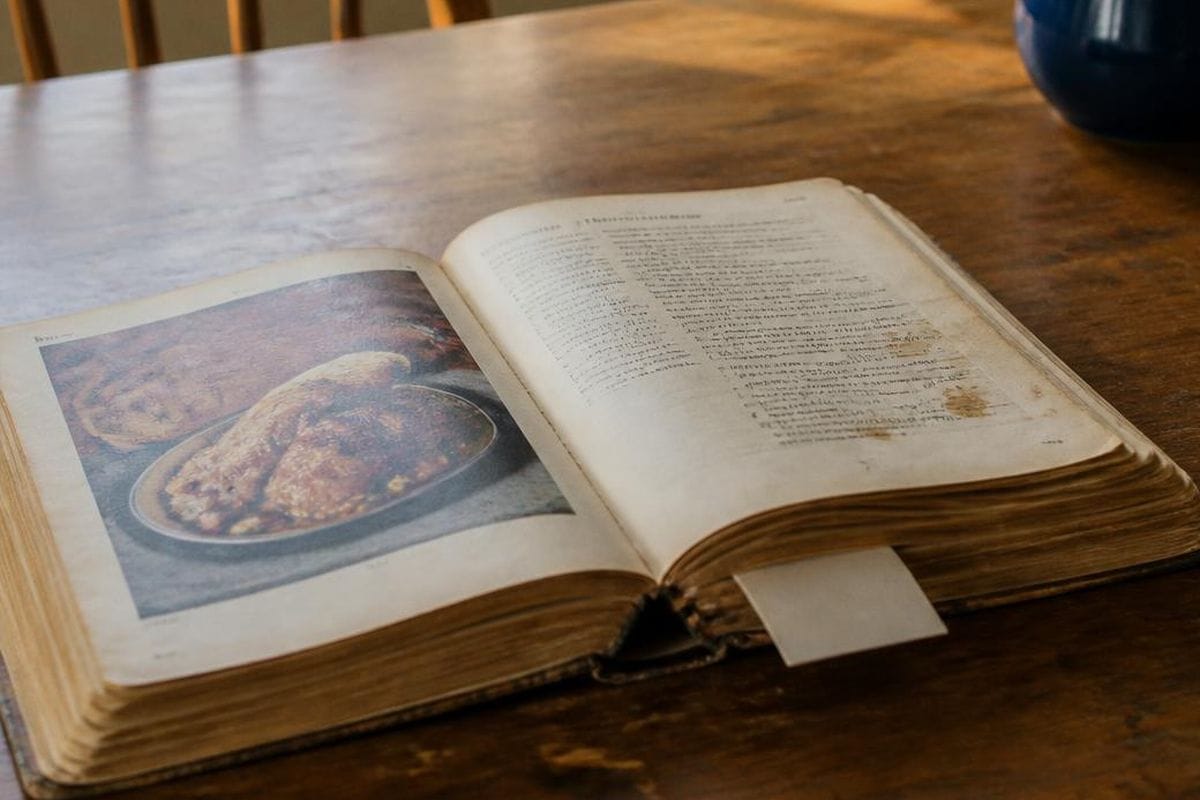
Filed under pound cake, which is a system, just not one I would recommend.
| ||||||||||
| ||||||||||
|
The beneficiary form decides who receives an IRA. The relationship between that person and the owner decides how long they have to take the money out. I am not a lawyer or a financial adviser, and none of this is advice about your account. A surviving spouse can keep an inherited IRA as their own and follow the rules for their own age. A short list of other people also get more than ten years: the owner’s minor child, someone disabled or chronically ill, and anyone not more than ten years younger than the owner. Everyone else on the form gets the ten years. In practice that is mostly grown children, and also nieces, nephews, friends and the neighbor who drove you to appointments. An empty form gets less time. When the account goes to an estate and the owner died before required withdrawals began, the IRS allows five years. If withdrawals had already begun, the payout follows what was left of the owner’s own life expectancy. Withdrawals from a traditional IRA count as income to whoever receives them, so five years is half the room to spread that income out. Who may be named differs by account. On a 401(k), a married person cannot name anyone but the spouse without the spouse’s written consent, witnessed by a notary or a plan representative (26 U.S.C. § 417(a)(2)). An IRA carries no such federal rule. IRAs can also hold more than most people assume. The tax code allows gold bullion of the fineness a futures exchange requires, as long as a trustee keeps physical possession of it (26 U.S.C. § 408(m)(3)), which is the kind of account today’s sponsor writes about. The ten-year count runs the same way whatever the account holds. | ||||||||||
| ||||||||||
|
I rolled my 401(k) into an IRA in 2023, when I left staff work. On Monday night I logged in to look while my 2004 bread machine went through its knead cycle, which is loud enough to make any website feel like an emergency. The primary beneficiary line is empty, and so is the contingent one. The 401(k) form I filled out in 1996 named my mother first and my daughter second. That form stayed with the old plan. The new account asked me in 2023, and I must have clicked past the page, because the site let me. The custodial agreement is eleven pages long. Mine says that with no beneficiary on file the account goes to my estate, which in New York means Surrogate’s Court first. I am years away from my own required withdrawals, so the estate would get the five-year count. My daughter, named on the form, would get ten, because she is more than ten years younger than I am. I have not fixed it yet. The page wants her Social Security number and date of birth, I know one of the two by heart, and I have not called her. | ||||||||||
| ||||||||||
| ||||||||||
| ||||||||||
|
Ten years for my daughter takes one name on a page I skipped, so Rochester gets a phone call tonight. I do not know whether anything my mother inherited from my father came with a count of its own. He died before 2020, under older rules I have not read. | ||||||||||
| ||||||||||
|
WASHINGTON The September inflation figures come out on October 14, and Social Security uses them to set the 2027 cost-of-living adjustment; the 2026 adjustment was 2.8%. MARKETS The S&P 500 closed at 7,666 on October 1, up about 11.8% for the year so far. TECHNOLOGY Amazon redesigned its whole Kindle line on October 1, and physical page-turn buttons are back, sold as a separate $79.99 cover. ENERGY September gas averaged $4.33 a gallon, a record for the month, fifty cents above the old September high set in 2023. WORLD In the widest sense of the word, Saturn reached opposition on Sunday and is up all night this week, the one item here with no paperwork attached. | ||||||||||
| ||||||||||
| ||||||||||
|
TOMORROW Whose name is on the deed, and what one phrase on it does when one owner dies. Read the policy before you need it. — Rita |