The allowance on your estimate is not a price
It is a guess, printed in the same column as the real numbers, and the difference is yours.
|
The Walkthrough
|
No. 021 · Tue 22 Sep
|
|||||
|
Subject of file
Allowances, change orders and the clause about what is behind the wall
|
||||||
|
|
||||||
|
Line 14 of the estimate
$4,000
Tile, bathroom floor and surround. Printed in the same column as the labour and the demolition, in the same typeface, totalled with everything else at the bottom of the page.
|
Good morning. That figure is not what the tile will cost. It is what the contractor has guessed the tile might cost, written down so the estimate can be totalled, and it is called an allowance.
Nothing on the page says so. It sits in the same column as the real numbers, formatted the same way, and the only thing marking it out is a word most people read past.
| 01 What an allowance is |
Oregon's contractors board defines it in one sentence, and I have not found a clearer one: a line item for a specific fixture or appliance, with an estimated cost, and if the item comes in over that amount the contractor will require you to pay the difference.
Allowances exist because you have not chosen the tile yet. The job has to be priced before you walk into a showroom, so a placeholder goes in and the total gets printed. That is reasonable and it is how the trade works.
The difficulty is arithmetic. You are shown a total that feels like a quotation, you agree to it, and then the part of it that was a guess turns into a bill.
|
What the page says, and what follows
|
Amount
|
|
Tile allowance, as printed
|
4,000
|
|
Tile chosen in the showroom
|
6,300
|
|
Yours to pay, plus any agreed markup
|
2,300
|
On larger contracts the overage runs through as a change order, signed and billed. On smaller jobs some contractors hold the overages and put them all on the final invoice, which is legal where the contract says so and is how people end up surprised at the end rather than in the middle.
| 02 The clause behind the wall |
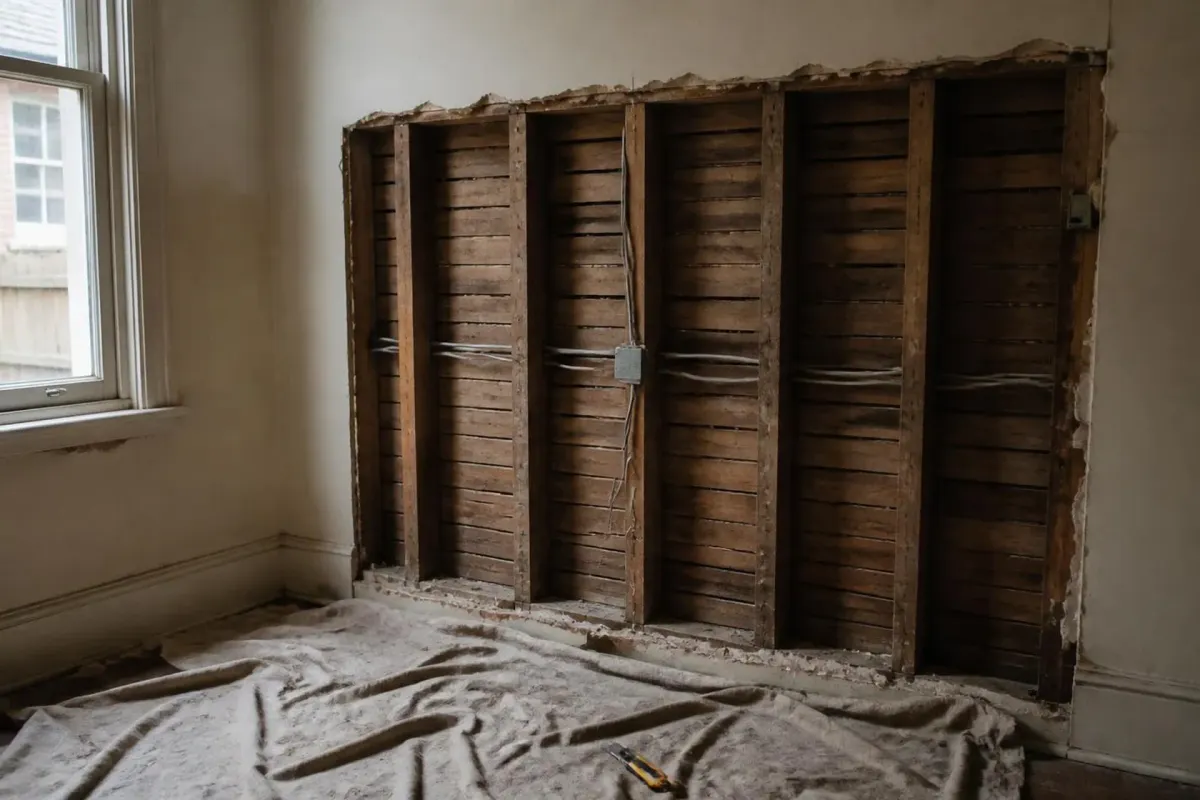
The second paragraph worth finding is the one about concealed conditions. Most contractor agreements carry one, and its job is to move the cost of what turns up behind the plaster onto you.
The wording runs along the lines that the agreement is based on what the contractor could observe with the structure in its condition at the time of bidding, and that anything concealed which comes to light afterwards becomes additional work.
That clause has a limit, though, and few homeowners are ever told what it is. The limit is the inspection.
Courts have generally held contractors responsible for what they should have known had they inspected the site thoroughly, following customary trade practice. Even where a concealed conditions clause exists, a contractor who ought to have found the problem before bidding can still be ruled against. And where no such clause exists at all, courts have generally supported the owner, provided the owner did not sit on what they knew. If you are aware the foundation is settling, you have to say so.
|
In the margin
I wrote estimates against these contracts for thirty years and never once read one of my own before signing it.
|
| 03 Five reasons a job runs over |
A firm that writes these contracts for a living sets out five causes of change orders, and says only two of them are genuinely unavoidable. The other three are made before anybody picks up a tool.
|
1.
|
Vague scope. The contract says update the bathroom without drawings, and every difference of interpretation becomes billable.
|
|
2.
|
Selection drift. You were not ready to choose at signing, allowances went in, and the tile you liked cost more. This is the one above.
|
|
3.
|
Incomplete design. Decisions left to be made during the work, each one priced under pressure with the trades already on site.
|
|
4.
|
Unforeseen conditions. Rot, old wiring, a failed connection. Real, and genuinely nobody's fault.
|
|
5.
|
You changed your mind. Also real, and yours.
|
Three of those five are settled at the kitchen table before the contract is signed, which is the only moment when they cost nothing to fix.
|
Where you are already covered
Many states require every change to a home improvement contract to be put in writing and signed by both parties above a stated threshold. California sets that threshold at a thousand dollars in aggregate contract price. Where your state has such a rule, a verbal change order is not binding on you, and the protection is already yours without asking for it.
|
|
Do this — before you sign anything
|
|
Rates of record
|
||
|
Fed funds target
|
3.75–4.00%
|
raised 16 Sep
|
|
30-year mortgage
|
6.76%
|
PMMS, 10 Sep
|
|
Inflation, 12 mo to Jul
|
3.4%
|
core 2.5%
|
I spent thirty years writing estimates that contractors then worked against, which means I read their paperwork constantly and my own almost never. When I had the back room done in 2018 I signed what was put in front of me at a kitchen table, in about ninety seconds, and I could not tell you today whether it had a concealed conditions clause in it.
Tomorrow: water, which does more damage to American houses than fire does, and the single word in your policy that decides whether any of it is paid for.
|
Signed
Rita Nowak
|
Standing instruction
Read the policy before you need it.
|
|
THE WALKTHROUGH · BUFFALO, N.Y. · SIX MORNINGS A WEEK
Nothing here is insurance, legal or financial advice. I am a former claims adjuster, not an agent, a lawyer or a contractor. Contract law and written-change requirements differ by state. Read your own agreement, and take a disputed one to somebody licensed where you live.
|